
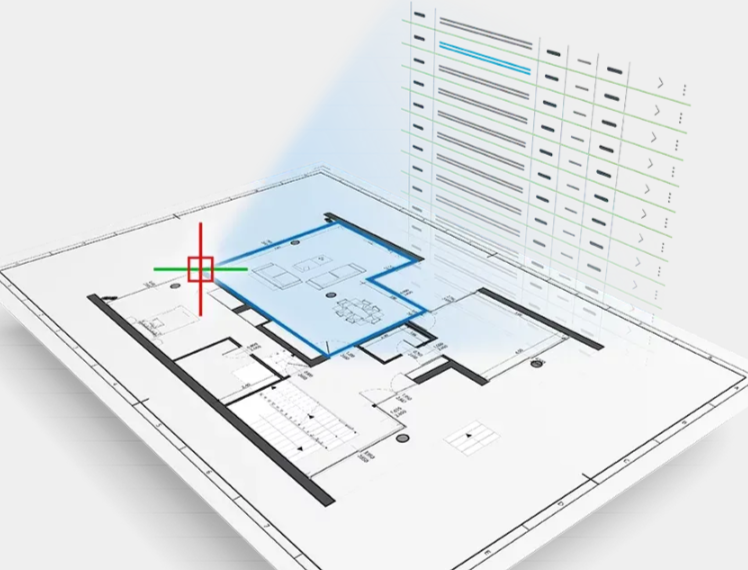
Top 2D & 3D Takeoff Software for Contractors: 2025 Buyer’s Guide
If you’ve ever sat through a long night tracing PDFs and counting quantities by hand, you know how painful old-school takeoffs can be. Between tight deadlines, messy drawings, and last-minute plan revisions, there’s just no time to waste.
That’s why 2D takeoff software and 3D/BIM-based tools have become a must-have for contractors and estimators in 2025. The right tool can turn hours of manual work into minutes — and it’s not just about speed anymore. It’s about accuracy, collaboration, and confidence in your numbers.
So, if you’re in the market for new takeoff software this year, here’s a look at the best options — and what makes each one worth your attention.
1. Autodesk Takeoff (Autodesk Construction Cloud)
If you’re already using Autodesk tools like Revit or Navisworks, this one fits right in. Autodesk Takeoff brings your 2D and 3D takeoffs into one platform so you can work directly from your BIM models.
Estimators can generate quantities straight from intelligent models, compare design options, and keep data connected across teams. It’s built for enterprise-level workflows and integrates deeply into project lifecycles.
Best for: GCs and firms already using Autodesk’s ecosystem who want BIM-driven takeoffs and estimating.
2. STACK Construction Technologies
STACK is one of the most popular cloud-based 2D takeoff software tools out there — and for good reason. It’s simple, fast, and built for collaboration.
Because it’s cloud-based, you can access your plans, markups, and quantities from anywhere. Estimators, project managers, and owners can all work on the same file at once. It’s also great for smaller contractors who want enterprise-level efficiency without big overhead.
Best for: Teams that want real-time collaboration and remote access for every trade.
3. PlanSwift
For estimators who prefer desktop-based systems, PlanSwift remains a workhorse. It’s known for its visual interface, point-and-click measurements, and customizable assemblies for labor and materials.
It doesn’t have the cloud features newer tools offer, but it’s solid and easy to learn. Many contractors use it as a reliable base for their estimating process.
Best for: Traditional estimators who want full control and offline reliability in 2D takeoff software.
4. Beam AI
Here’s where the next generation of takeoff automation comes in. Beam AI uses artificial intelligence to perform AI-powered 2D takeoffs — completely hands-free.
You upload your plans, specify your scope, and AI reads the drawings, calculates quantities, and delivers ready-to-use takeoffs reviewed by estimators. Contractors report saving up to 90% of their time compared to manual takeoffs.
It’s built for GCs, subcontractors, and suppliers who need to send out more bids without expanding their teams. The best part? It integrates easily with estimating workflows you already use.
Best for: Contractors who want to automate takeoffs across multiple trades and bid faster without sacrificing accuracy.
5. Bluebeam Revu
If your work revolves around PDFs, Bluebeam Revu is practically an industry standard. It’s not just a 2D takeoff tool, but a full collaboration and markup solution for teams reviewing drawings, specs, and RFIs.
Revu’s measurement tools are precise, and its document control features make plan management much easier. It’s especially useful for teams who spend a lot of time marking up plans together or managing change orders.
Best for: Contractors who live in PDFs and need powerful markup and collaboration tools.
Choosing What’s Right for You
Here’s the truth: there’s no one-size-fits-all tool.
If you’re managing a large team with BIM workflows, Autodesk or CostX might make sense. If you’re after flexibility and remote collaboration, STACK or Bluebeam are great picks. If you’re a subcontractor juggling too many bids and too little time, Beam AI can change how you work entirely — by letting AI handle the takeoff for you.
Whatever you pick, make sure it fits your workflow, not the other way around. The goal is simple: accurate takeoffs, faster bids, and fewer sleepless nights before deadlines.
Final Thought
2025 is the year when digital takeoffs stop being “nice to have” and start becoming the backbone of preconstruction. Whether you’re doing basic 2D takeoffs or working with full BIM models, these tools help you work smarter, move faster, and win more.
And if you’re curious to see what AI can really do for takeoffs, Beam AI is worth checking out. It’s takeoffs reimagined — fast, accurate, and built for how contractors actually work.